
Published
7 minute read
By David Schlessinger, M.D.
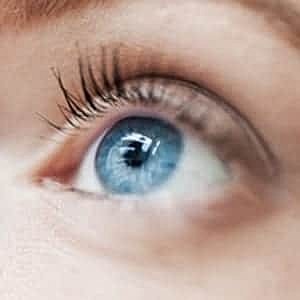
During the summer months or when we take a vacation to a warmer climate, the outside calls to us. Millions of people flock to the beach, move their recreational activities from the comfort of the indoors to the blazing heat of outdoors, and add sports and workouts to routines. With the increased attention to skin cancer, we have embraced and are very mindful of wearing sunscreen; however, we all overlook some spots, from the hairline and the scalp to an area of our body that is extremely susceptible to sun damage: the eye.
According to the American Cancer Society’s website, cancers of the skin (most of which are basal and squamous cell skin cancers) are by far the most common of all types of cancer. According to one estimate, about 5.4 million basal and squamous cell skin cancers are diagnosed each year (occurring in about 3.3 million Americans, as some people have more than one). About 8 out of 10 of these are basal cell cancers. Squamous cell cancers occur less often.
The eyelid and eye itself are just as vulnerable to sun damage as the rest of the body. Specifically, the eye is susceptible to a number of cancers from excessive sun exposure including melanoma of the melanin producing cells of the eye and carcinoma, which occurs in the tissues of and around the eye, including the eyelid.
1) Sunscreen for the eyes? Standard sunscreens can’t be applied to the eyelid but mineral-based powder sunscreens are safe. Look for a brand that is a true mineral brand, one that contains 100% minerals and that meets FDA guidelines for being water-resistant. Other brands that only contain a small amount of minerals won’t work and will bleed into your eyes, potentially causing eye damage. Consistent application of sunscreen appropriate for the eye area will help prevent sun damage which in turn reduces the signs of aging.
2) Cover up. Wearing a hat also protects your face and eyes from sun exposure. The best type of hat to wear is one with a 3-inch brim as it will protect the neck, eyes, ear, eyes and scalp. If you’re playing sports outdoors, a baseball cap, while not ideal, still shields your face somewhat from the sun.
3) The Right Sunglasses. It is crucial to wear sunglasses to protect your eyes from harmful UV rays. Look for sunglasses that are labeled as blocking at least 95 percent of UVA and UVB radiation. While it may seem that darker shades are better, the color of the lenses in no way alters the level of defense; in fact, choosing gray-colored lenses reduces light intensity without altering the color of objects. The label on the glasses contains all the information you need to know. Glasses that wraparound your face offer the greatest level of protection, blocking the sun from every angle.
If you are playing sports outdoors, make sure you choose sunglasses that have shatter-resistant frames and lenses. While street glasses may seem trendy, a sharp piece penetrating your eye can cause permanent damage, including blindness. For contact sports or impact sports, such as basketball, baseball, tennis or football, wear sports goggles with polycarbonate lenses (3mm thick is recommended) and side shields which pass the guidelines set forth by the ASTM (American Society for Testing and Materials).
Remember that children need their own real sunglasses, not cute toys. Children need the same protection and are at greater risk for retinal damage caused by short wavelengths of light. Take the time and care to find a pair for your child. Children’s sunglasses are available at most optical stores.
Alright, so you’ve renewed your commitment to sun protection going forward. How do you make up for all the sun-worshipping you’ve already done?
Choosing one of these procedures can restore your youthful appearance quickly and easily.
No matter what you choose to do during the summer months, remember that a few simple steps go a long way. Your eyes and skin are easily damaged, with long-term repercussions. Straightforward precautions and regular eye exams will keep your eyes bright and problem-free during the summer and beyond.
David A. Schlessinger, M.D., Medical Director of Schlessinger Eye & Face, is Board Certified by the American Academy of Ophthalmology. Dr. Schlessinger is the Director of Oculoplastic Surgery at Nassau University Medical Center. In addition to teaching the residents, he is called upon to see the most challenging and difficult eyelid surgery cases. He performs reconstructive surgery for both trauma & cancer patients. For more information visit https://www.schlessingereyeandface.com or call (516) 496-2122