Blepharoplasty



See Yourself With Fresh Eyes
As part of the natural aging process, delicate eyelid skin loses elasticity, while underlying muscles stretch and support tissues loosen. This leads to sagging upper eyelids, heavy hooding that can obstruct peripheral vision, and lower lid puffiness caused by shifting fat deposits. When sagging skin and excess upper eyelid skin make you look tired, sad, or older than you feel, blepharoplasty offers a proven surgical solution to restore a rejuvenated appearance.
At Schlessinger Eye and Face in Woodbury, NY, blepharoplasty surgery is performed under the direct care of board-certified oculoplastic surgeon Dr. David A. Schlessinger. With over 30 years of subspecialty experience in eyelid surgery, Dr. Schlessinger tailors every upper blepharoplasty and lower eyelid surgery to preserve your natural contours, improve vision, and deliver a refreshed appearance without looking overdone.

Outpatient surgical procedure to remove excess skin, refine underlying muscles, and adjust excess fat across upper or lower eyelids.
Eyelid surgery typically takes 45 to 90 minutes depending on whether upper, lower, or combination procedures are performed.
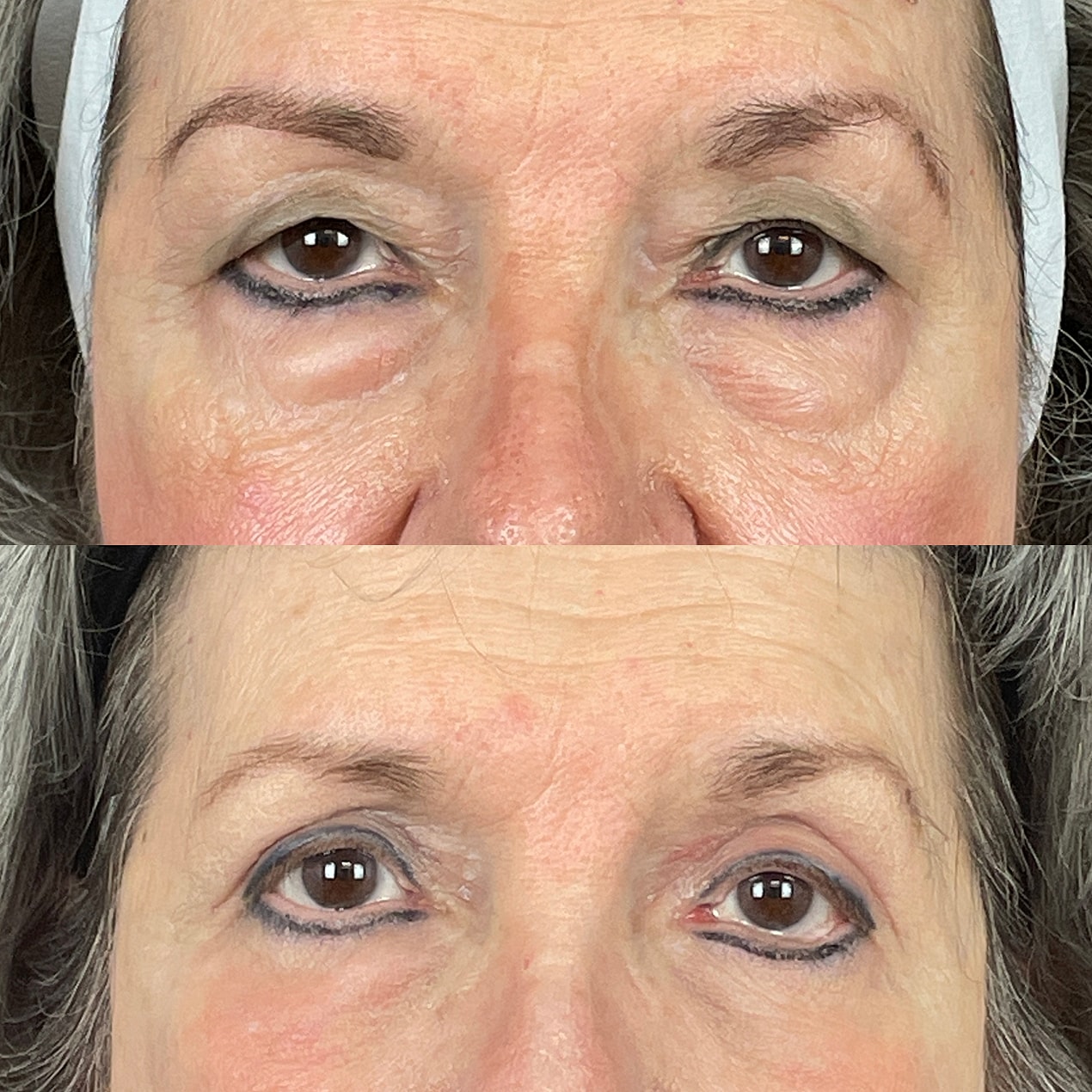
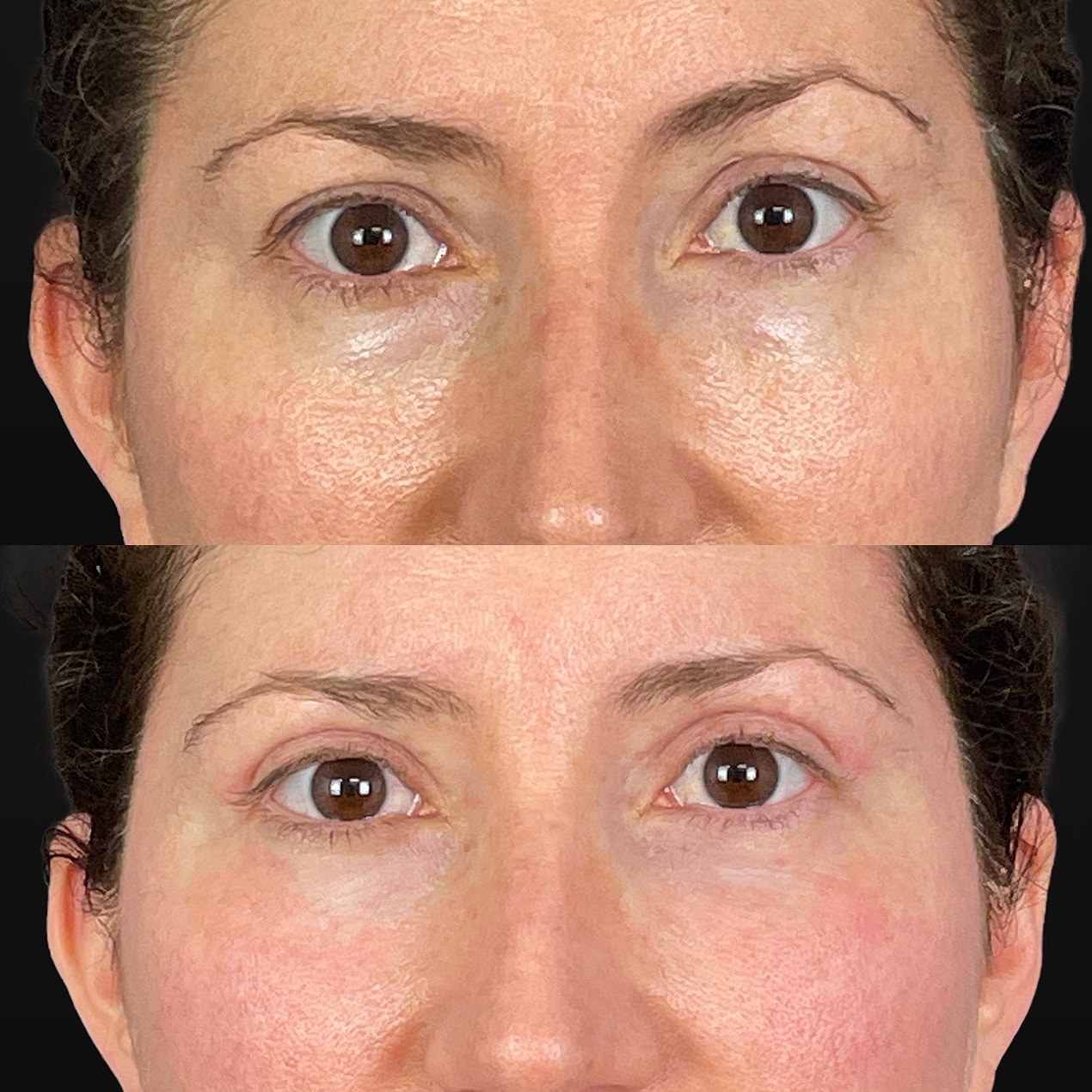
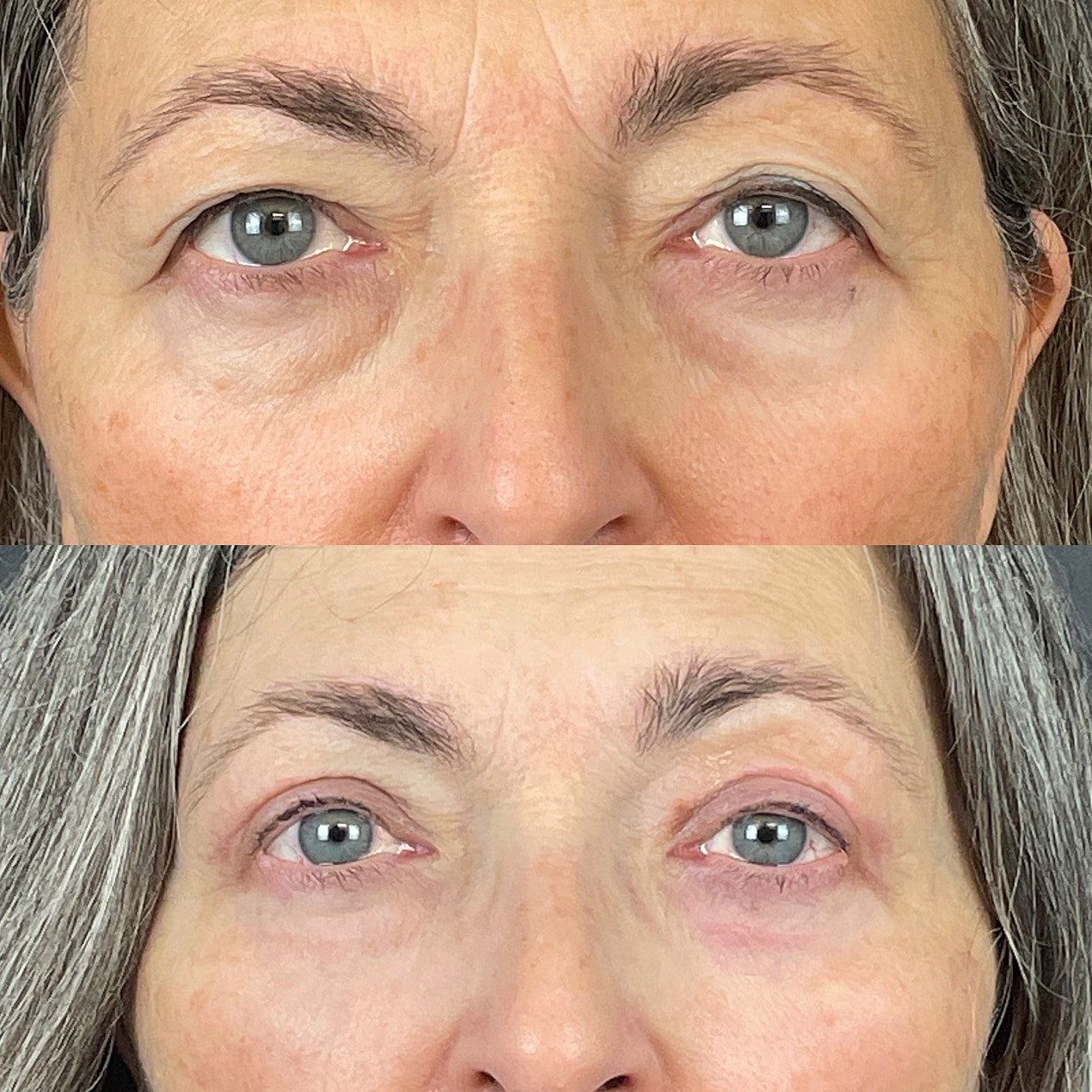
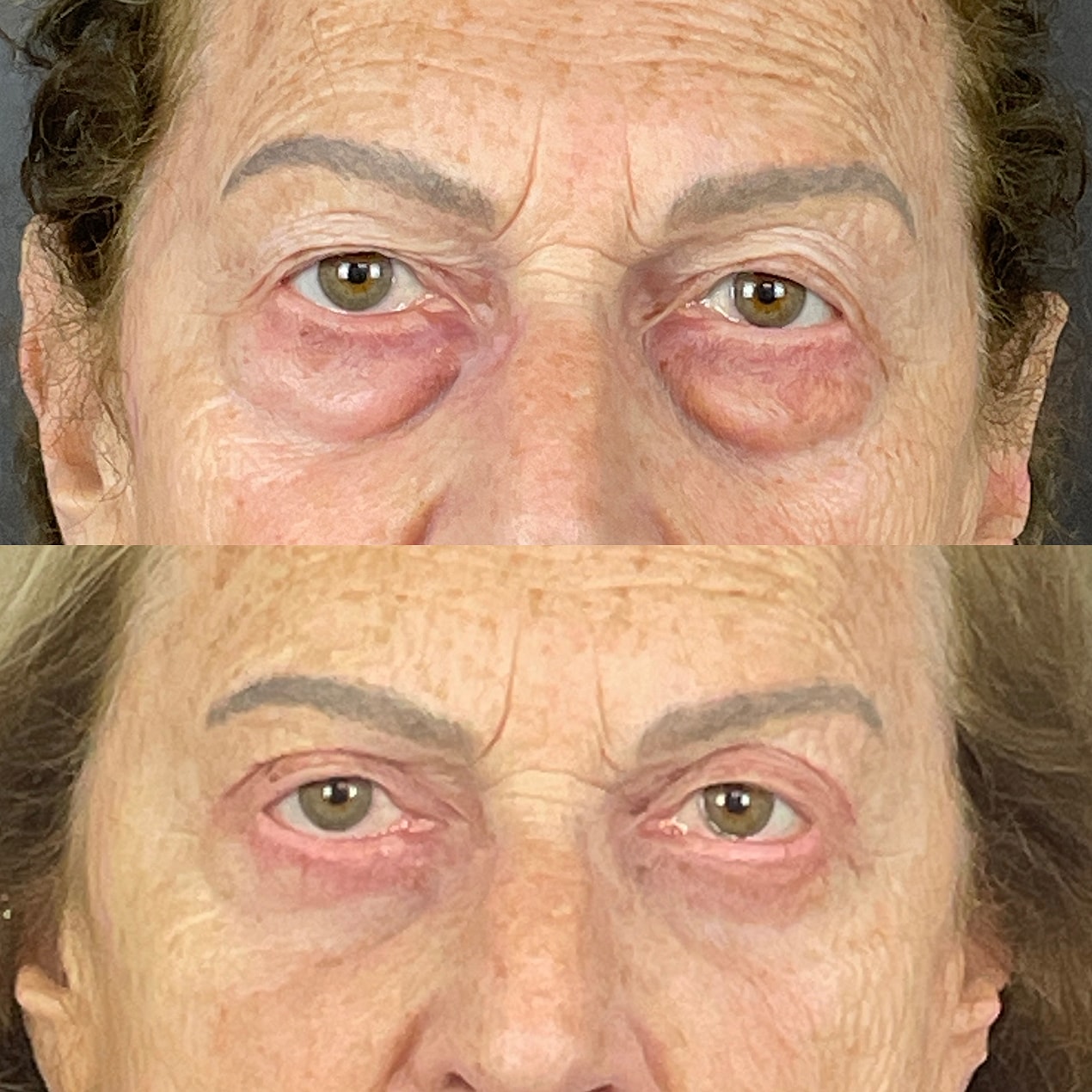
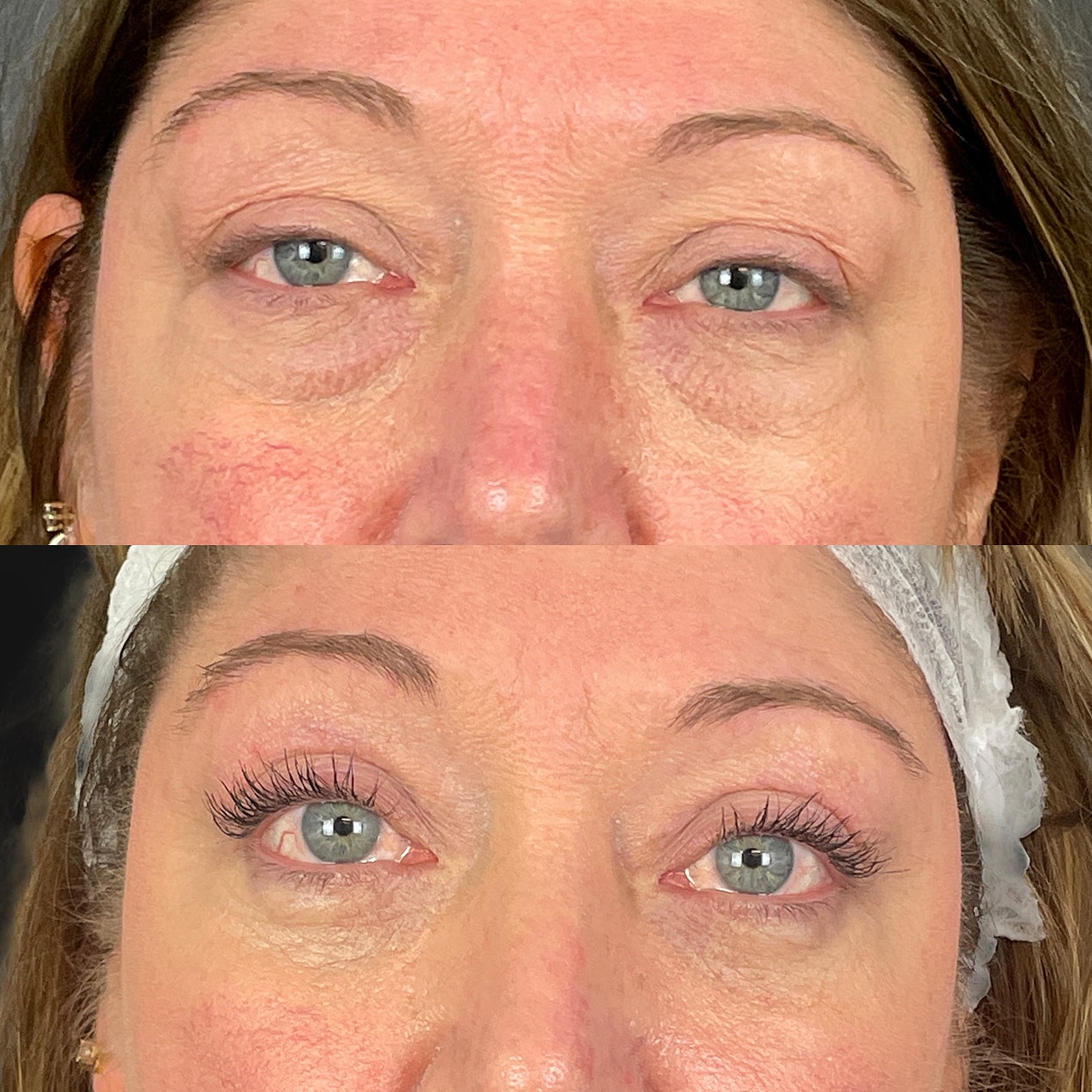
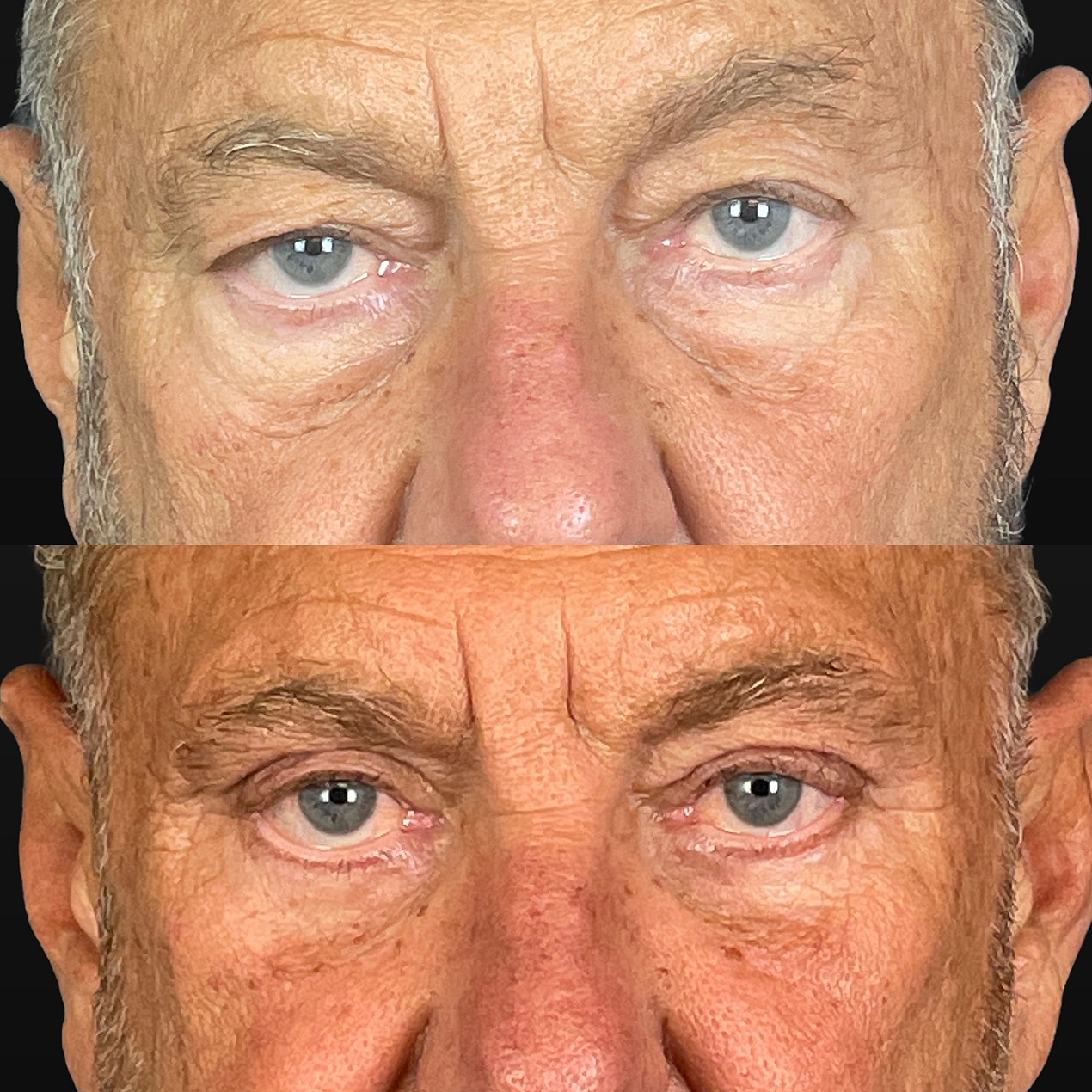
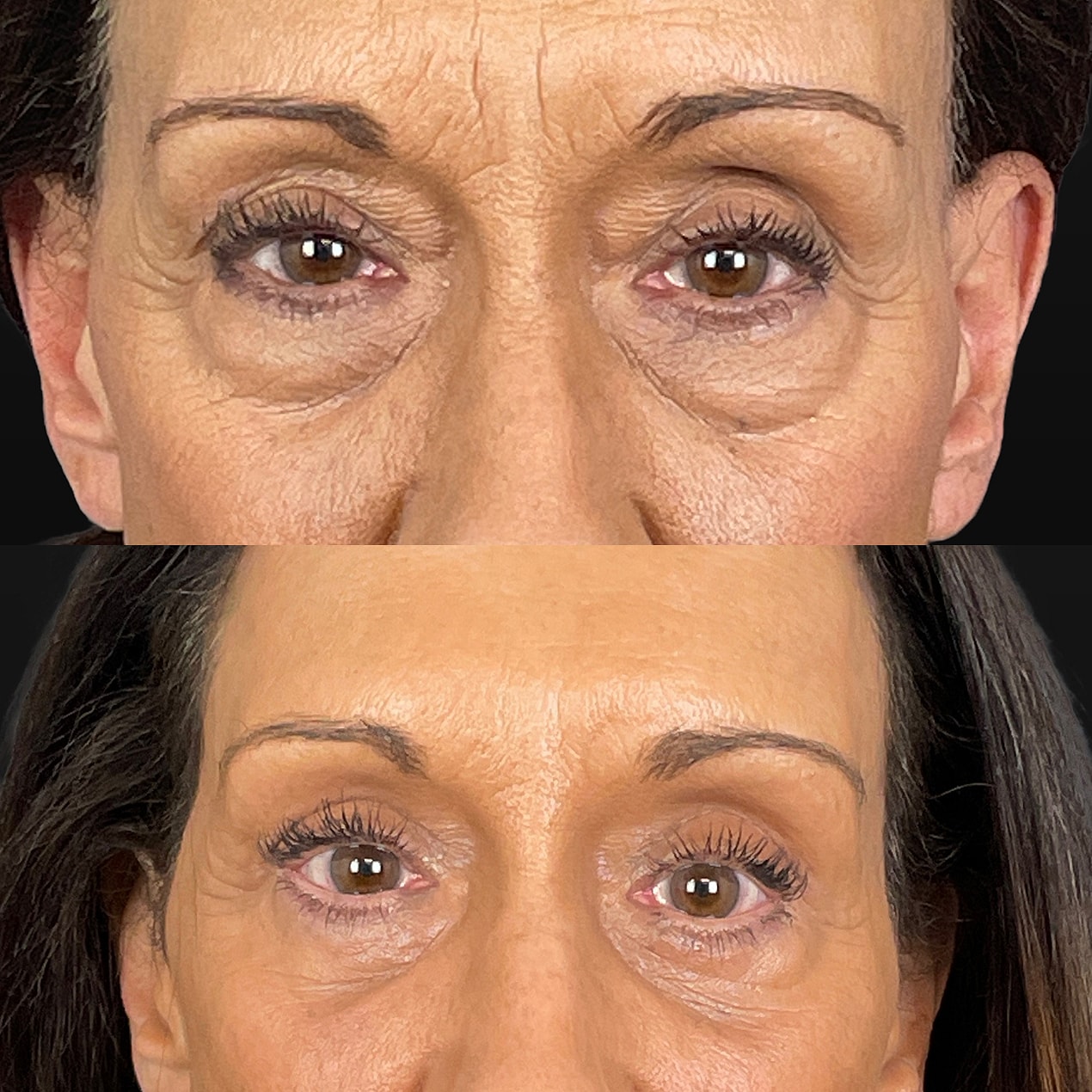
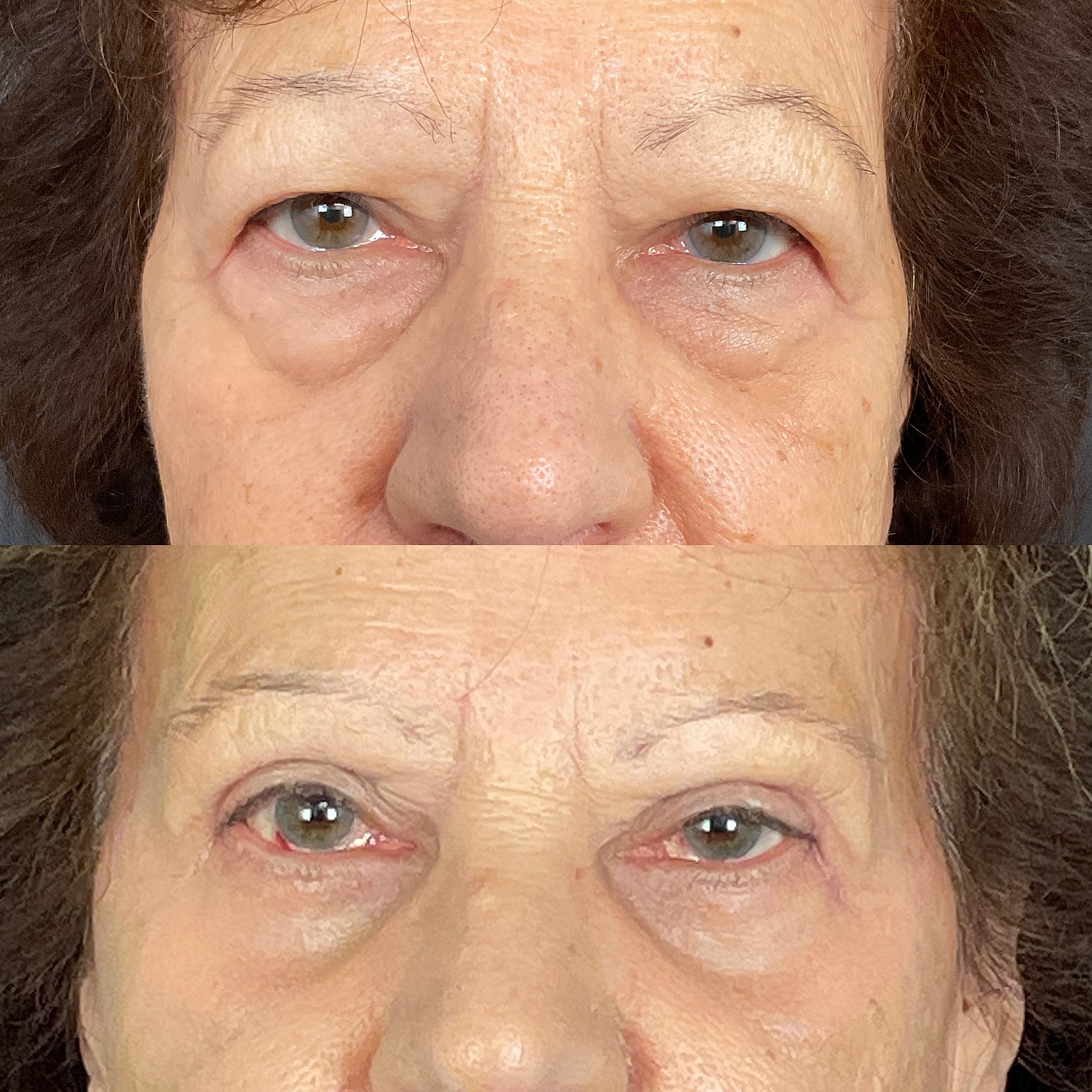
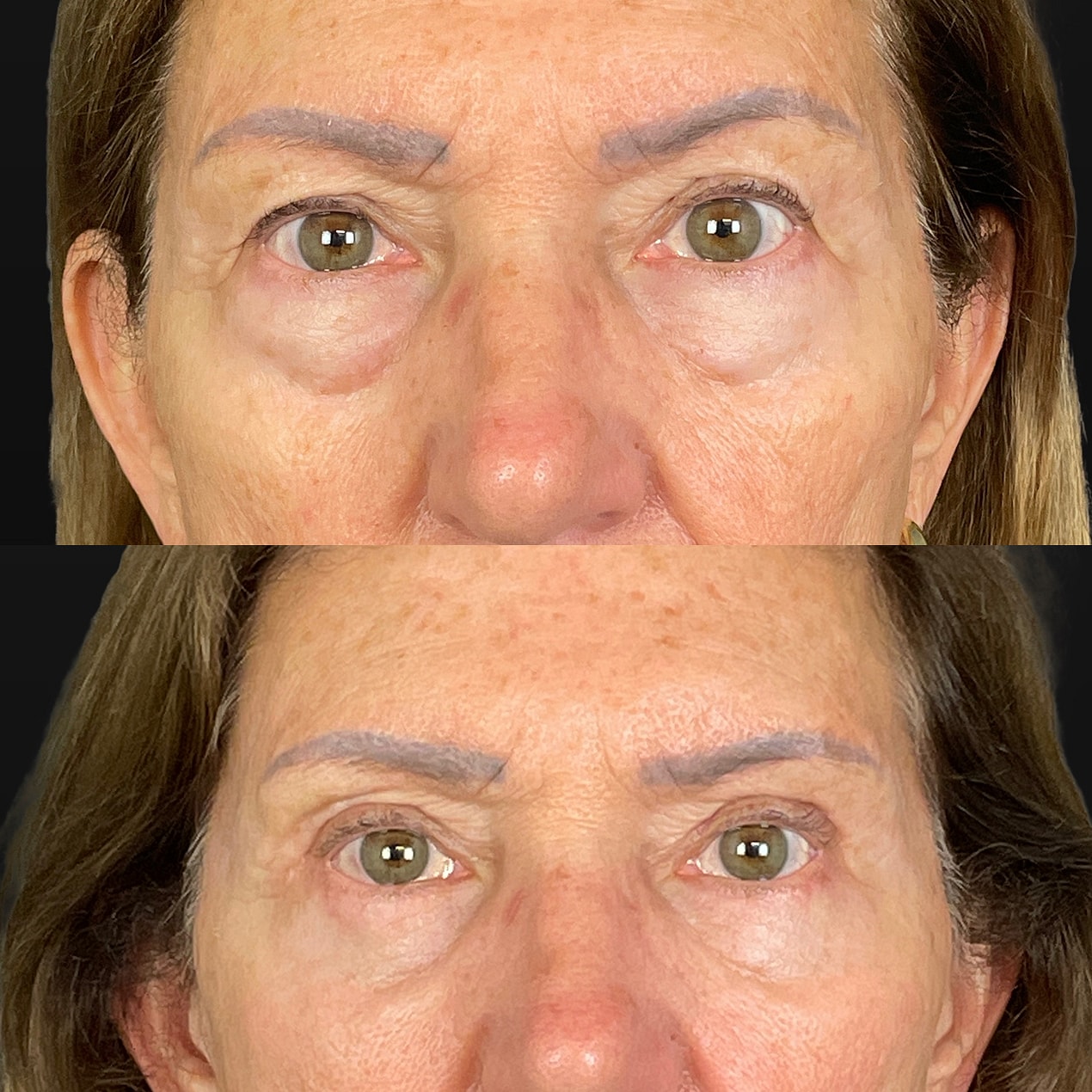
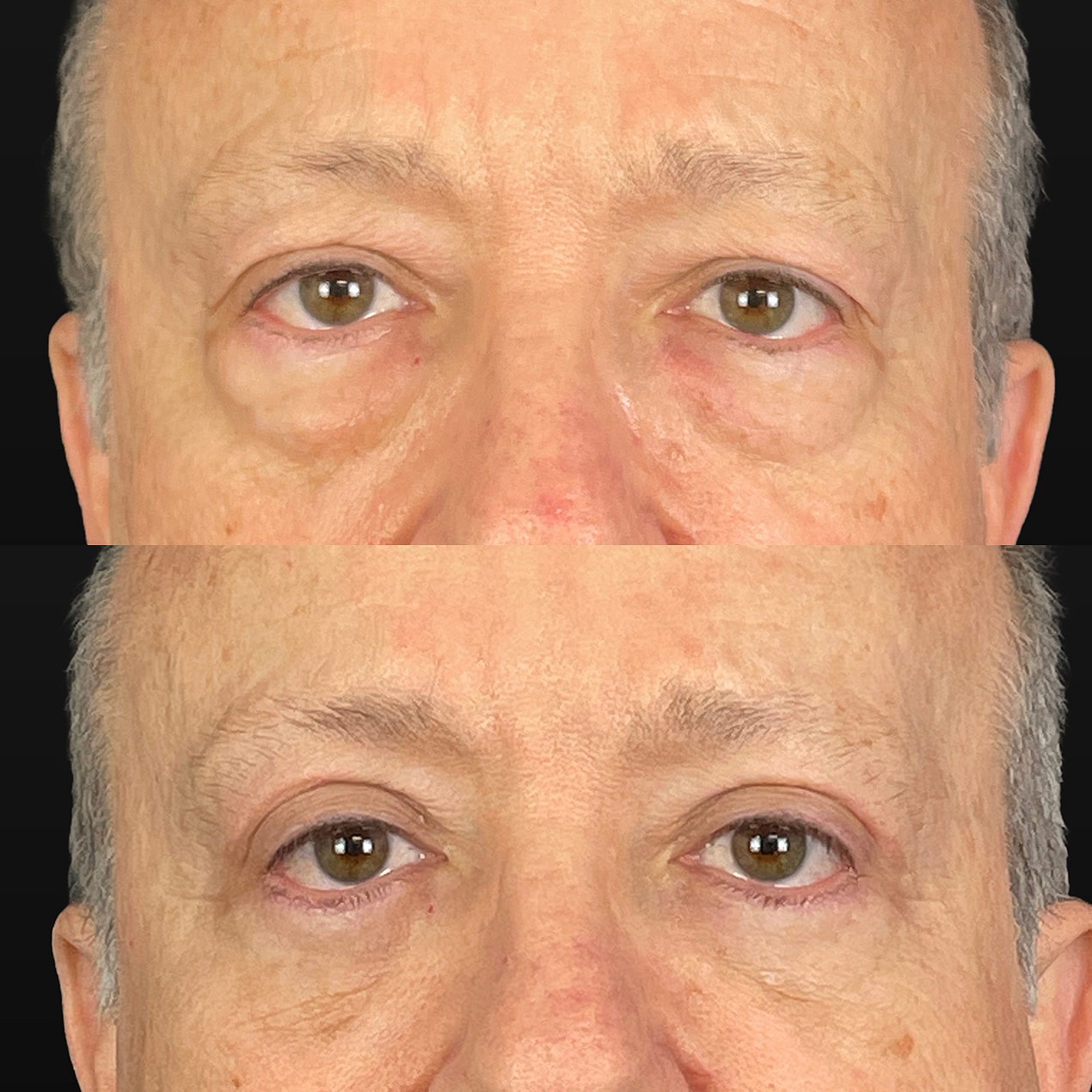
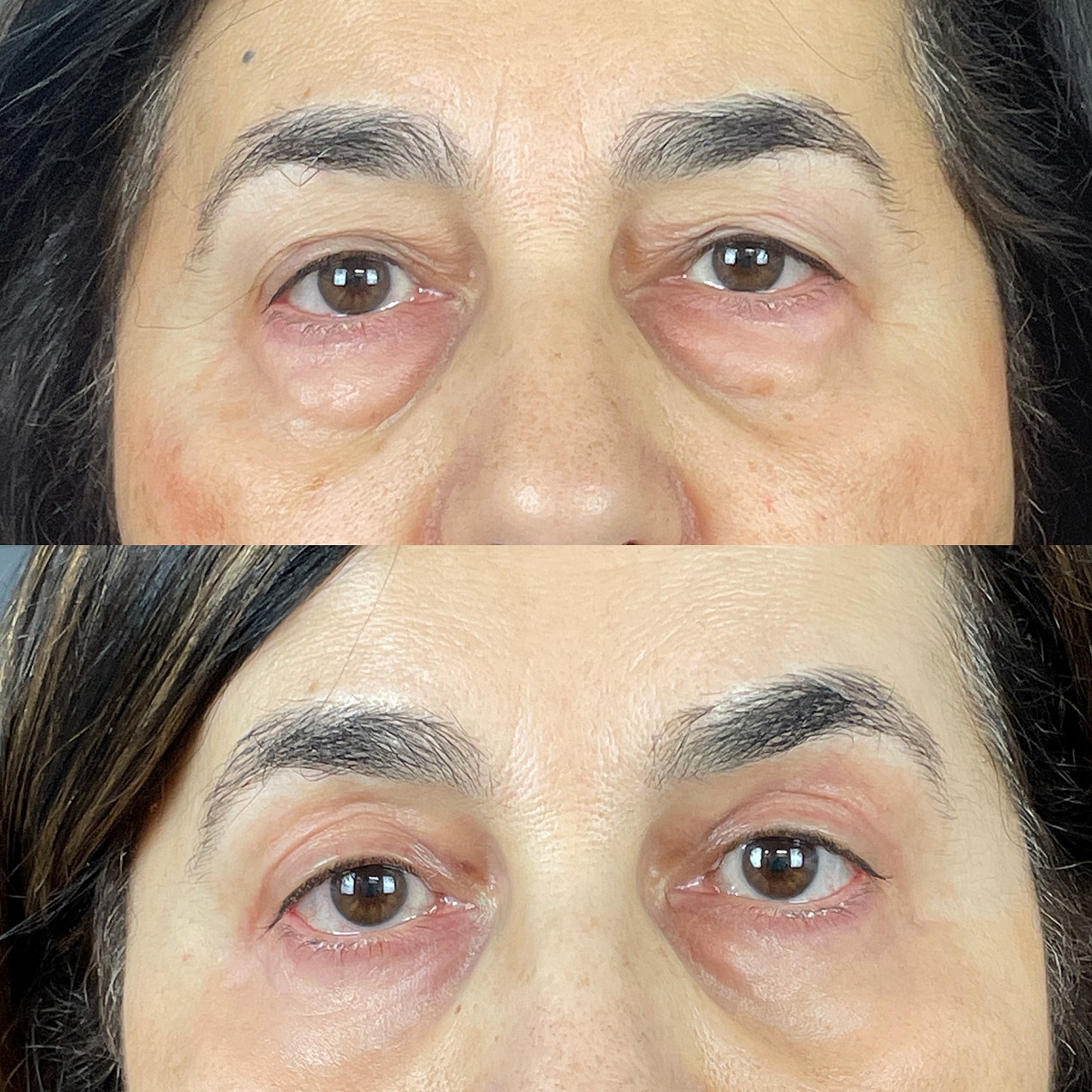
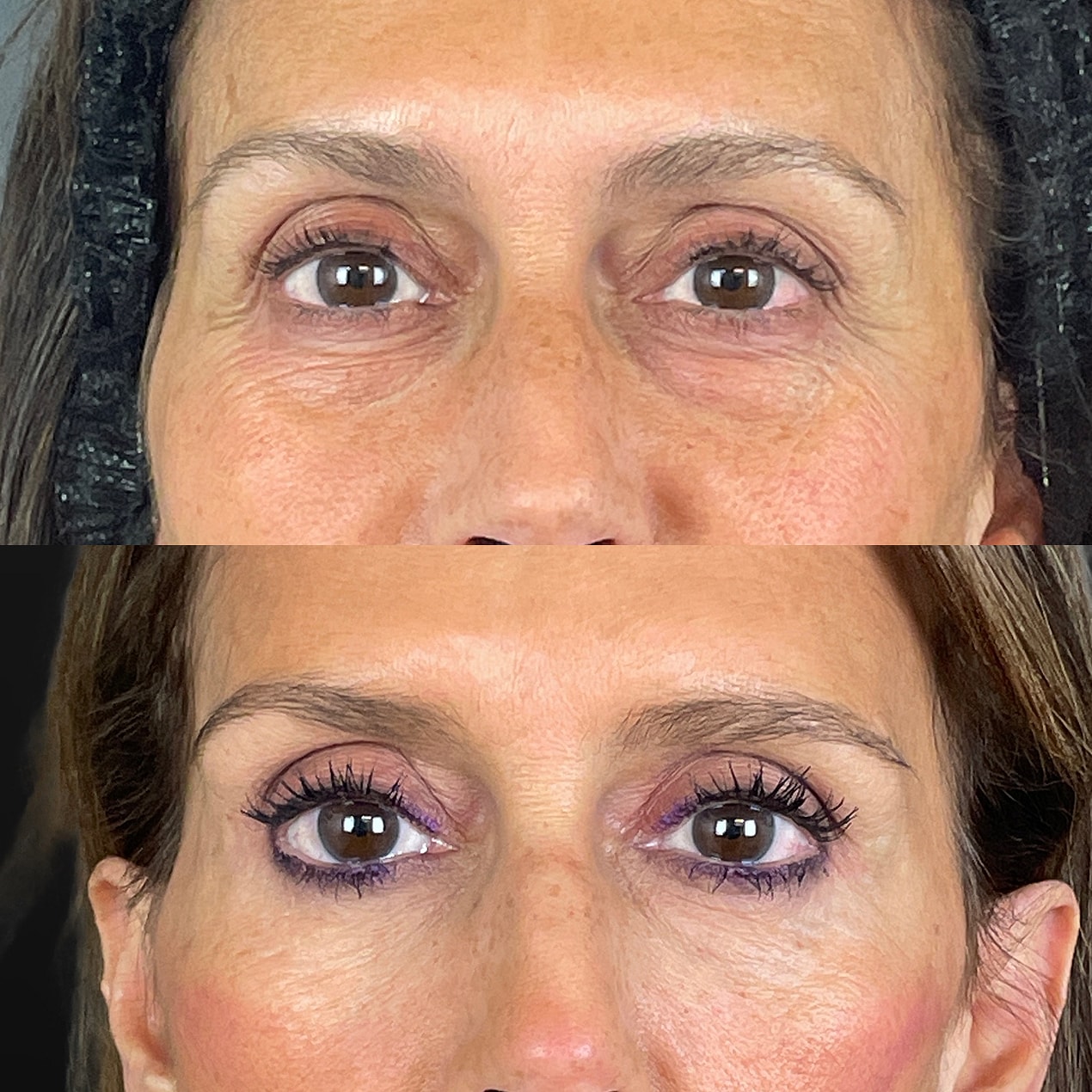
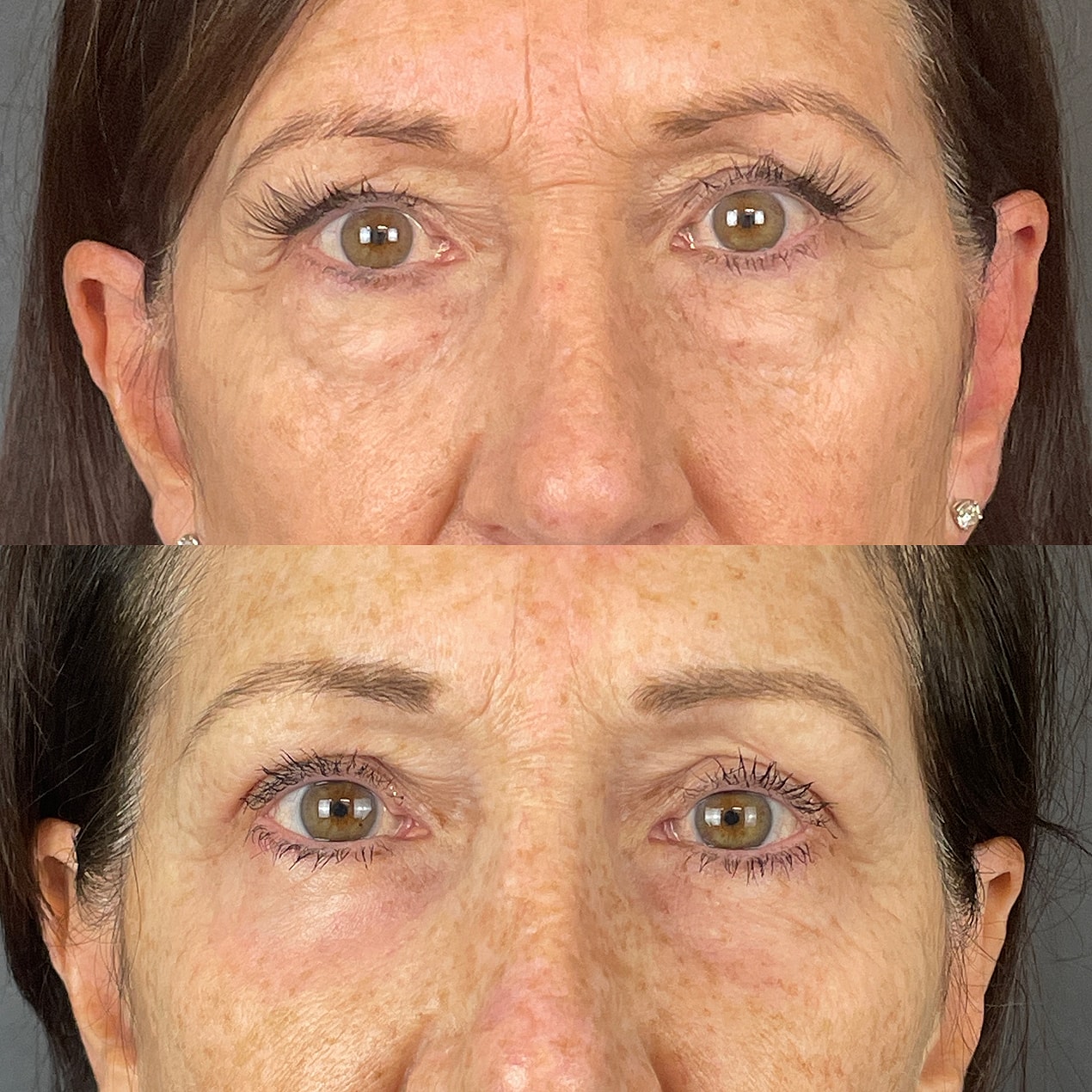
Clears blocked peripheral vision, removes sagging upper eyelid skin, smooths undereye puffiness, and restores a refreshed appearance.
Initial swelling and bruising subside over 7 to 14 days; suture removal occurs within a week, revealing smooth, natural contours.
1 of 13

Refreshing Your Expression
Blepharoplasty is the medical term for eyelid surgery. The procedure is often performed with the objective of restoring a youthful appearance to the eyes.
Eyelid surgery can improve the state of the upper or lower eyelids. This procedure involves removing loose, sagging skin and underlying superficial tissue, such as the natural fat pads beneath the skin.
However, functional blepharoplasty may also be necessary in some cases, such as excess skin inhibiting vision. If you believe you or someone you love may need functional blepharoplasty, contact our office for a formal consultation. Your insurance may offer benefits for this type of procedure.

Treatment Options
Upper blepharoplasty removes excess skin and tissue from the upper eyelid. This procedure does not lift the eyebrows, but it has a dramatic effect on the appearance of the eyes by revealing the tissue below the crease of the eyelid. Skin is also smoother after surgery, allowing the eyes to appear more open and energetic. We frequently combine our upper blepharoplasty with surgical and non-surgical brow lifting to give the most natural and satisfying result.
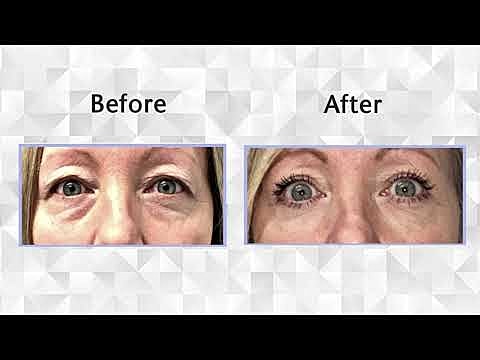
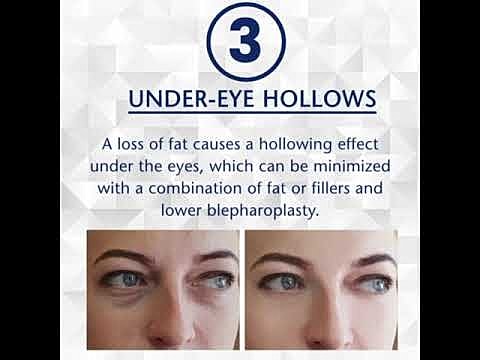
Lower blepharoplasty may be combined with upper eyelid surgery or performed independently. This procedure addresses concerns such as undereye puffiness, dark circles, and festoons. Lower blepharoplasty can also tighten the tissue that has begun to sag and pull away from the surface of the eye.
Seamless Outpatient Care
Your journey begins with a thorough consultation with Dr. Schlessinger to evaluate several factors, including your eye structure, tear film stability, and aesthetic goals.
The surgical procedure is typically performed under local anesthesia with gentle intravenous sedation, though general anesthesia is available depending on patient preference and procedural scope.
Once the area is completely numb, Dr. Schlessinger makes fine incisions precisely along the natural eyelid crease or lower lash line. He removes excess upper eyelid skin, tightens slackened muscles, and addresses herniated fat pads.
Following this treatment, Dr. Schlessinger uses small sutures to close the incisions. After a short stay in the recovery room, you can go home the same day with your chosen caregiver to begin recovery.

Reverse Facial Aging Signs
Blepharoplasty is performed on the upper eyelids, lower eyelids, tear trough junction, and outer eye corners. It can also be combined with non-surgical skin rejuvenation treatments such as a chemical peel or laser resurfacing to improve overall skin texture.
Eyelid surgery addresses both aesthetic cosmetic concerns and functional visual impairment across upper or lower eyelids:

Rebalances uneven lid height, shape, or skin folds for improved facial balance.
Tightens loose, wrinkled eyelid skin across upper or lower lids.
Tightens a stretched levator muscle to elevate a drooping lid margin blocking the pupil.
Removes heavy, drooping skin that rests on eyelashes or impairs peripheral vision.
Re-establishes a clean, defined upper eyelid crease for easier makeup application.
Repositions or removes excess fat protruding beneath lower eyelids.
Embrace Lasting Looks
Restores Obstructed Vision
Removing excess upper eyelid skin that hangs over the lashes opens your visual field, easing brow strain and tension headaches.
Creates a Natural, Youthful Appearance
Subspecialty precision ensures that skin and fat removal are perfectly balanced, giving you a refreshed appearance without looking pulled, tight, or artificial.
Long-Lasting Cosmetic Enhancement
Eyelid surgery addresses structural changes in skin, muscle, and fat, providing results that endure for 10 to 15 years or longer.
Hidden Surgical Incisions
Incision placement within the natural eyelid crease or inside the lower lid ensures that post-healing scars remain virtually unnoticeable.
Assess Your Suitability
You are a good candidate if you have sagging upper eyelids, visual obstruction from hanging skin, or persistent lower lid puffiness, and are seeking a long-term improvement in your appearance. Most patients are non-smokers in good overall health with realistic expectations for surgical outcomes.
A thorough consultation and examination of your eyes will confirm that you are a good candidate for blepharoplasty. Ultimately, patients who have realistic expectations of what is possible for them are happiest with their results. Eyelid surgery is intended to reduce the signs of aging or loss of tissue integrity around the eyes. The results of upper eyelid blepharoplasty can also help improve vision.
Although surgery is minimally invasive and is well tolerated by people of all ages, generally, the best surgical experience comes from being in good health. Because smoking inhibits the healing process, and also affects the aging of the skin around the eyes, patients are encouraged to quit this habit prior to their surgery.
During your consultation, Dr. Schlessinger reviews your complete health background and checks for medical conditions such as severe dry eye, uncontrolled high blood pressure, thyroid issues, or bulging eyes that could impact healing. If excess skin significantly blocks peripheral vision, insurance may cover the procedure after visual testing confirms the severity of the impairment.
Reveal Refreshed Eyes
Recovery following blepharoplasty is generally straightforward with manageable discomfort. Most patients manage post-operative sensation easily with mild prescribed or over-the-counter pain medication.
What to Expect During Recovery
Pain is very rare after Blepharoplasty surgery and people rarely need anything more than over-the-counter acetaminophen. In some cases, prescription pain medication may be prescribed. Keep in mind that some narcotic pain medications can be constipating. To make your recovery process more comfortable, take prescription medication sparingly. Cold compresses may also be gently applied to the eyes, following the guidelines provided by our office. All patients are given explicit details explaining post-operative instructions to ensure a speedy and effective recovery. If the post-operative instructions are not followed, it can affect the results of the surgery.
Swelling, redness, and bruising should be expected after blepharoplasty. The eyes may ooze slightly for a short time, as well. As a result of ointment applied to the skin around the eyes, vision may appear slightly blurry for a short time.
As initial swelling and bruising fade over the first two weeks, your new eyelid contours become visible. Eyes appear wider, brighter, and more rested, while upper visual fields are noticeably cleared.
Because Dr. Schlessinger focuses on structural muscle and fat alignment, blepharoplasty surgery delivers enduring results. Many patients enjoy their refreshed, youthful appearance for decades, requiring only routine skin maintenance to preserve their outcome.

Eyelid Surgery Experts Located On Long Island
Performing surgery on the delicate eyelids requires an advanced understanding of eye mechanics, tear film dynamics, and facial balance. As a board-certified physician fellowship-trained in oculoplastic surgery with over 30 years of subspecialty experience, Dr. David A. Schlessinger combines precise surgical skill with delicate aesthetic care.
At Schlessinger Eye and Face in Woodbury, NY (serving patients across Long Island, Metro NY, and visiting patients from areas like Cherry Hill and beyond), your care is completely physician-led.
Ready to restore clear vision and refresh your eyes?
Contact Schlessinger Eye and Face in Woodbury today to schedule your personal blepharoplasty consultation with Dr. Schlessinger.
Dr. Schlessinger places upper eyelid incisions directly within the natural upper eyelid crease, and lower eyelid incisions inside the lid or immediately below the eyelash line. Once healed, scars fade into faint, natural skin folds that are virtually imperceptible.
Discomfort is typically minimal. The procedure is performed under local anesthesia with sedation so you feel no pain during surgery. Afterward, mild tightness or soreness is easily managed with cold compresses and mild pain medication.
Blepharoplasty is a safe and efficient procedure that is performed routinely in our country. That being said, it is crucial to follow the post-surgical instructions that have been given to you. If you have any questions after you return home or in the first days or weeks of recovery, please do not hesitate to contact our office.
Initially, you may feel quite fatigued after eyelid surgery. It may take several hours for your sedative or anesthesia to wear off. During this time and possibly for a few days after your surgery, it is beneficial to rest as much as you can.
Most patients take 7 to 10 days off from work and social activities. Suture removal occurs around day 5 to 7, after which light makeup can be applied to cover any remaining mild bruising.
Yes. If drooping eyelids are caused by both sagging skin and a stretched levator muscle, Dr. Schlessinger routinely combines upper eyelid blepharoplasty with ptosis repair during the same surgical procedure.
As with any surgery, risks include temporary swelling and bruising, minor asymmetry, dry eyes, infection, or temporary double vision. Dr. Schlessinger thoroughly reviews all safety protocols during your private consultation.
Blepharoplasty eyelid surgery can be combined with a facelift, browlift or BOTOX® treatments to raise the eyebrows or reduce the appearance of wrinkles, crow’s feet or dark circles under the eyes. Laser resurfacing is frequently combined with surgery to further help reduce the signs of crow’s feet. Although a degree of wrinkle reduction occurs as a result of tissue excision during blepharoplasty, minor lines and wrinkles may remain.
Presentable results from blepharoplasty typically occur between 7 and 14 days after surgery. This is normally when patients return to work and social engagements. Healing continues for several more weeks and, as it does, final results become increasingly evident. Complete and total healing may take up to one year.
The improvements made with eyelid surgery are long-lasting. While natural aging will occur, results can be prolonged with healthy lifestyle habits and good sun protection.
Incisions for blepharoplasty are made in discreet areas in order to minimize the chances of visible scarring. Upper blepharoplasty is often conducted through a tiny incision at the crease of the lid. Lower blepharoplasty is frequently performed through internal incisions and sutures that are either not visible or not used. If skin removal is needed, then the incisions are normally made at the lash line, sometimes just inside the eyelid, in order to minimize any evidence of surgery. These lines typically are not visible within weeks of surgery.
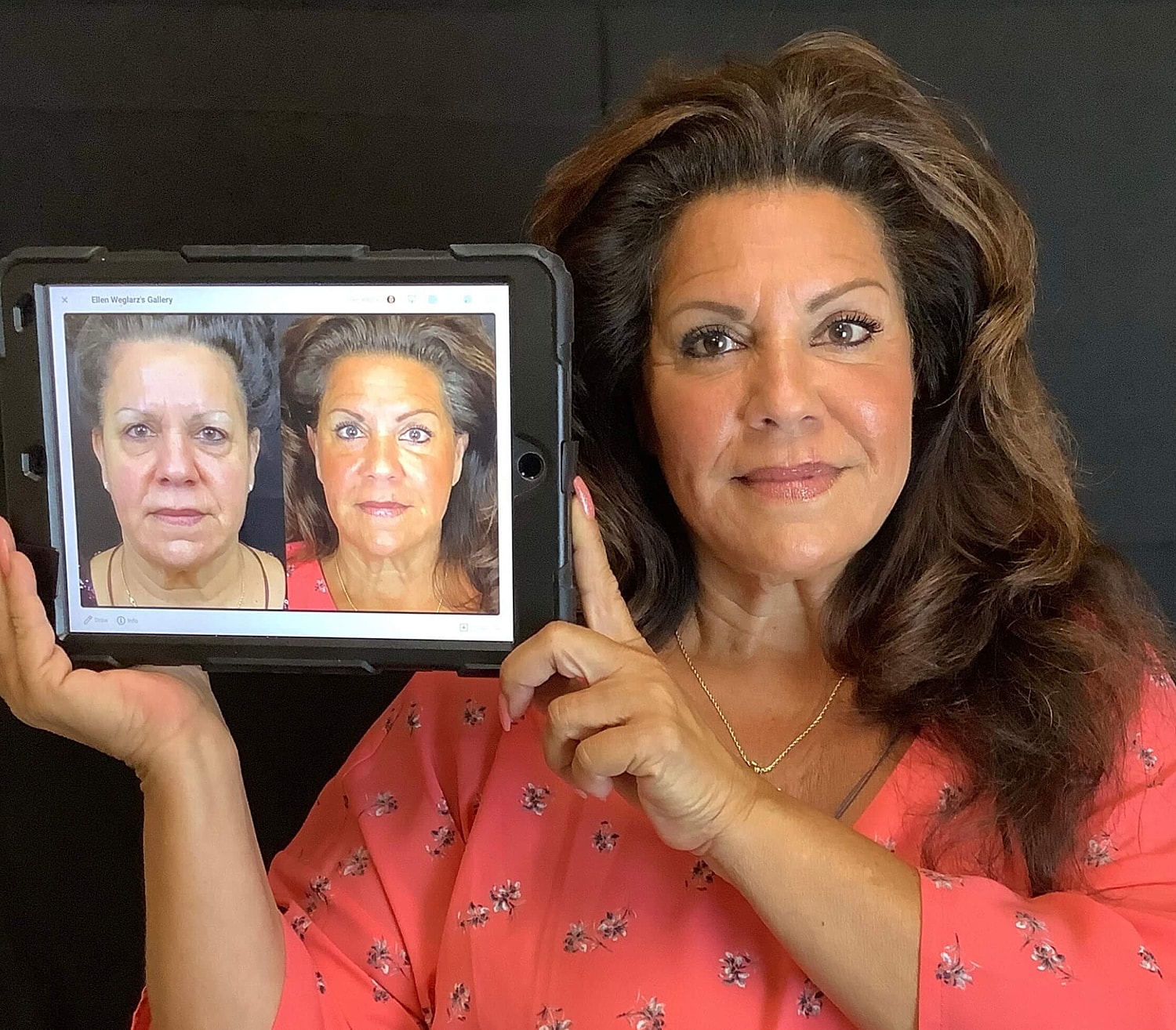
“I couldn't be happier with the outcome.”